B-BBEE Levels and Tender Preference Points: Read the Specific-Goal Schedule
Understand tender-specific goals under the 80/20 and 90/10 systems, the role of B-BBEE evidence and why a contribution level does not automatically determine every tender's preference score.
At a glance
Read the tender's preference-point schedule before calculating your score. The bid documents specify the applicable 80/20 or 90/10 system, the specific goals and the evidence required. Do not assume a B-BBEE level alone determines the preference points for every tender.
This is independent guidance from TenderSearch SA, not advice from a government authority. Verify current requirements with the issuer and these official references: Preferential Procurement Regulations 2022, regulations 3–5.
B-BBEE evidence and tender preference points are related, but they are not interchangeable. A company's contribution level describes its status under the applicable empowerment framework. The points available in a particular public tender come from that tender's published specific-goal schedule and the applicable procurement rules. Start there before spending money on verification or forecasting a score.
The current preference framework
The Preferential Procurement Regulations 2022 took effect on 16 January 2023. For acquisition of goods or services, regulations 4 and 5 provide 80/20 at or below R50 million and 90/10 above R50 million, inclusive of applicable taxes. Verify applicability and the bid's stated system; income-generating contracts have separate provisions.
Regulation 3 requires the tender documents to identify the system, specific goals, point allocations and proof. Do not apply an old B-BBEE level table to every current bid. Nor should you infer that a Level 1 bidder always receives every available goal point. Read the goal definitions and the evidence requirements actually published.
Build a goal-and-proof worksheet
- Copy each specific goal exactly, including qualifying definitions.
- Record the maximum points and any stated allocation tiers.
- Identify the evidence required and the entity to which it must relate.
- Match your current documents to the claim, noting unresolved gaps.
- Complete the prescribed declaration consistently with the supporting proof.
Illustrative example: a tender allocates points to a defined ownership goal and asks for particular evidence. A certificate stating a contribution level may not by itself establish every fact that goal requires. The bidder checks the actual requirement instead of assuming that its level automatically earns the allocation. This example describes a checking process, not a real tender's point schedule.
Identify the applicable enterprise category and code
EME, QSE and generic-enterprise classifications affect the form of empowerment measurement or evidence available. Turnover, ownership and the applicable sector code matter. Do not assume generic thresholds and affidavit routes apply unchanged in every sector, or that the business may choose whichever code produces the most attractive result.
Use official B-BBEE Commission guidance and the relevant gazetted code to confirm your category and acceptable proof. Where verification is required, confirm the provider's accreditation and scope through the appropriate official channels. A paid certificate offered by an unknown intermediary is not automatically valid merely because it has a logo or reference number.
Check the evidence, not just the label
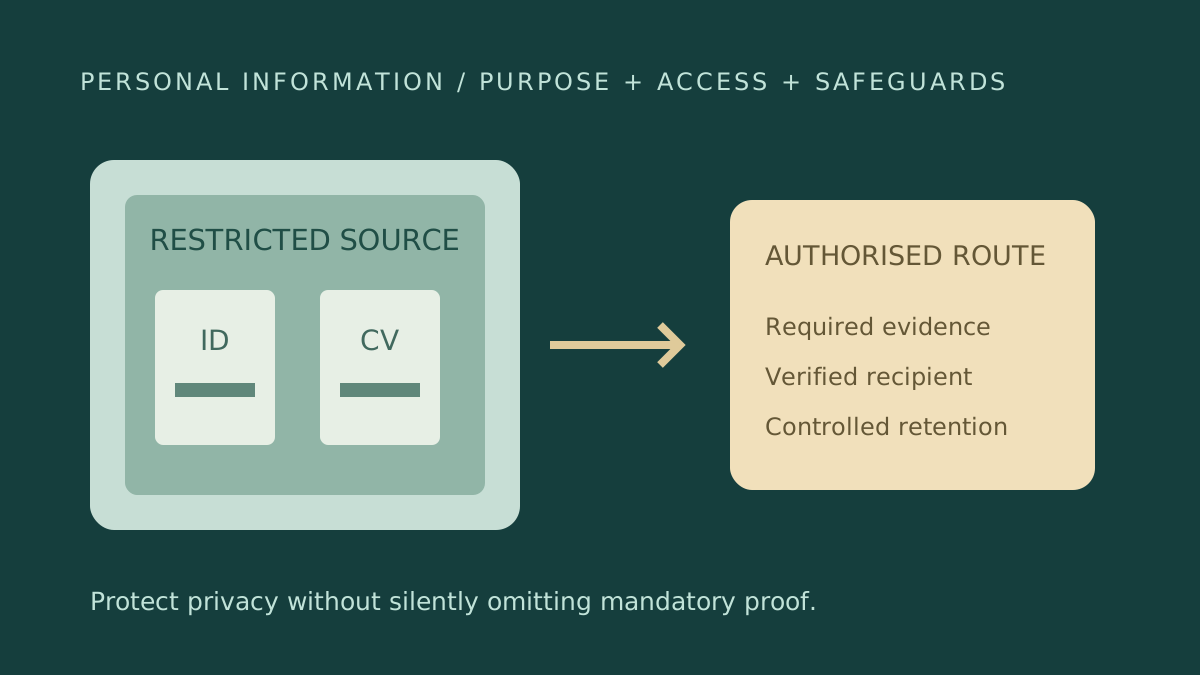
Ensure the business name and registration details match the bidding entity. Check dates, signatures, affidavit wording and any commissioner requirements applicable to the document. Keep the underlying ownership and turnover records that support the declaration. Do not make a claim on behalf of a proposed joint venture using only one participant's certificate unless the tender's lawful evidence rules permit that approach.
If a document is missing or out of date, seek a legitimate correction promptly. Do not backdate it or assume an evaluator will allow replacement after closing. Clarification opportunities depend on the actual process and law. Ask the issuer about ambiguous requirements before submission and retain the written answer.
Improve genuine participation, not appearances
Empowerment planning should reflect actual ownership, management, skills development and other measures under the applicable code. Obtain qualified advice before changing ownership or control. A nominal participant who contributes no real role is not a safe shortcut, and an improved contribution level does not guarantee improved points in every tender.
Evaluate both the commercial and compliance consequences of any proposed change. Record genuine rights, responsibilities and participation rather than promising an investor or partner a paper role solely to influence a bid. Keep ownership records, CSD information and tender declarations consistent.
Model scoring conservatively
Separate price points, supported specific-goal points and any technical qualification stage. Do not invent competitors' scores or describe a level as permission to increase price by a fixed percentage. Test alternative price scenarios using the actual formula and your full delivery cost. A hypothetical total is an internal planning aid, not a predicted award.
Keep reform status separate
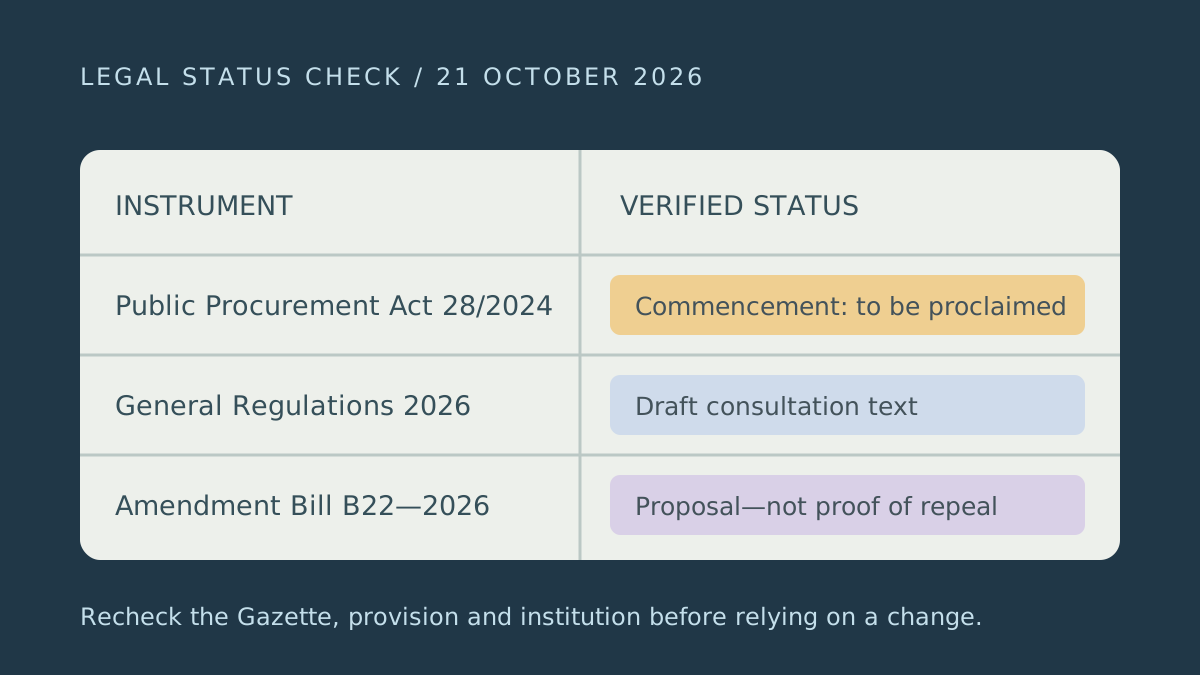
At the 21 October 2026 check, the official Public Procurement Act page still lists commencement as to be proclaimed. Draft regulations and amendment Bills do not automatically replace existing rules or repeal B-BBEE legislation. Read our source-linked reform-status guide and verify any later change before relying on it.
Official resources: B-BBEE Commission and the linked 2022 regulations. This guide is educational; obtain specialist advice where code selection, evidence validity or tender conditions are disputed.
Found this useful? Share it with another business — it costs you nothing and helps us reach more South African bidders.
Put your bid preparation into practice
Browse public tender previews, check the official requirements, then shortlist opportunities that fit your business. Starter is R149/month for search and saves. Professional at R299/month adds daily keyword email alerts, unlimited saves and closing-date reminders.
Compare tender subscription plans